




Many innovation managers at large organizations quickly realize that identifying where innovation truly thrives and where bottlenecks exist is not always straightforward. When global teams and complex processes are involved, uncovering hidden gaps can be even more challenging. A systematic diagnosis of innovation needs forms the foundation for aligning efforts with organizational goals and unlocking new growth. Discover proven methods to evaluate your pipeline, gather actionable insights, and take strategic next steps.
Table of Contents
- Step 1: Assess Innovation Needs Across Your Organization
- Step 2: Design Structured Innovation Pipeline Workflows
- Step 3: Implement Integrated Platform Solutions
- Step 4: Engage Stakeholders And Drive Participation
- Step 5: Monitor Progress And Optimize Pipeline Performance
- Step 6: Validate Outcomes And Refine Innovation Strategies
Quick Summary
| Key Insight | Explanation |
|---|---|
| 1. Assess Innovation Needs | Conduct a structured diagnostic to identify innovation barriers and opportunities across departments. |
| 2. Design an Innovation Pipeline | Create a clear framework with defined stages to transform ideas into actionable projects effectively. |
| 3. Implement Integrated Platforms | Use interoperable platforms for seamless collaboration, facilitating end-to-end innovation management. |
| 4. Engage Stakeholders Actively | Foster a collaborative culture through transparent communication and inclusive decision-making processes. |
| 5. Monitor and Optimize Performance | Establish metrics and tracking mechanisms to continuously evaluate and improve innovation pipeline success. |
Step 1: Assess innovation needs across your organization
Understanding your organization’s innovation landscape requires a systematic approach to diagnosing current capabilities and identifying potential improvement areas. By comprehensively examining innovation challenges, you can strategically align innovation efforts with broader organizational goals.
To effectively assess innovation needs, start by conducting a structured diagnostic process that involves multiple stakeholders across different departments. Here are key steps to guide your assessment:
- Interview leadership to understand strategic objectives
- Survey employees about current innovation barriers
- Analyze past innovation performance and identify gaps
- Map existing innovation processes and potential bottlenecks
The assessment should focus on uncovering both systemic challenges and specific opportunities for innovation. Using practical diagnostic tools, you can create a holistic view of your organization’s innovation ecosystem. This involves examining factors like:
- Current innovation culture and mindset
- Resource allocation for innovation initiatives
- Collaboration mechanisms across teams
- Technology and infrastructure supporting innovation
- Reward and recognition systems for innovative thinking
Successful innovation needs assessment requires transparency, open communication, and a willingness to challenge existing processes. By taking a data-driven and collaborative approach, you can develop a nuanced understanding of your organization’s innovation potential.
Pro tip: Create a cross-functional innovation assessment team that includes members from different departments to ensure a comprehensive and unbiased evaluation of your innovation landscape.
Step 2: Design structured innovation pipeline workflows
Creating an effective innovation pipeline requires a strategic approach that transforms creative ideas into actionable projects. Strategic processes help organizations systematically advance innovations through well-defined stages, ensuring maximum impact and organizational alignment.
To design a robust innovation workflow, focus on developing a clear, repeatable framework that guides ideas from conception to implementation. Your pipeline should incorporate the following key components:
- Establish clear stage gates for idea progression
- Define specific evaluation criteria for each workflow stage
- Create transparent decision-making processes
- Develop metrics for tracking innovation performance
A well-structured innovation pipeline requires strategic knowledge management that breaks down complex innovation processes into manageable, measurable stages. Consider implementing these critical workflow design elements:
- Idea generation and collection mechanisms
- Initial screening and feasibility assessment
- Detailed concept development
- Prototype and validation stages
- Pilot testing and organizational integration
- Full-scale implementation and scaling
Successful workflow design demands flexibility and continuous refinement. Your pipeline should be adaptable enough to accommodate different types of innovations while maintaining a consistent structural approach that supports strategic objectives.

Here’s how each stage of the innovation pipeline contributes unique value:
| Pipeline Stage | Core Purpose | Business Impact |
|---|---|---|
| Idea Generation | Originate new concepts | Expands solution possibilities |
| Screening & Feasibility | Assess viability | Reduces wasted resources |
| Concept Development | Refine and detail solutions | Increases project success rate |
| Prototype & Validation | Test assumptions | Minimizes risks before scaling |
| Pilot & Integration | Real-world application | Confirms viability at small scale |
| Full Implementation & Scaling | Organization-wide rollout | Maximizes investment returns |
Pro tip: Regularly review and update your innovation workflow to ensure it remains responsive to changing organizational needs and emerging innovation trends.
Step 3: Implement integrated platform solutions
Successfully transforming your innovation strategy requires a comprehensive approach to platform integration that connects people, processes, and technologies seamlessly. International development organizations demonstrate how technological integration streamlines innovation workflows by consolidating efforts and enhancing collaborative capabilities.
To implement an integrated platform solution, focus on creating a unified ecosystem that supports end-to-end innovation management. Your implementation strategy should address several critical dimensions:
- Select platforms with robust interoperability
- Ensure cross-departmental accessibility
- Develop standardized data capture mechanisms
- Create comprehensive user permission frameworks
Effective platform integration requires sophisticated collaboration tools that enable transparent communication and seamless workflow management. Consider implementing these key integration strategies:
- Centralize idea submission and tracking
- Develop real-time collaboration interfaces3. Establish automated progression tracking
- Create interactive dashboards for stakeholder engagement
- Implement secure knowledge management systems
Successful platform solutions transform innovation from a fragmented process to a cohesive, strategic organizational capability. By designing flexible, user-friendly platforms, you create an environment that naturally encourages creativity and systematic idea development.

Pro tip: Conduct comprehensive user testing and gather continuous feedback to ensure your integrated platform remains adaptive and aligned with evolving organizational needs.
Step 4: Engage stakeholders and drive participation
Successful innovation requires more than brilliant ideas - it demands active collaboration and strategic stakeholder engagement. Healthcare systems demonstrate effective stakeholder involvement strategies that can be adapted across various organizational contexts to drive meaningful participation.
To effectively engage stakeholders and create an innovation-friendly environment, implement a comprehensive engagement approach that addresses multiple dimensions of participation:
- Create transparent communication channels
- Design inclusive decision-making processes
- Develop meaningful recognition programs
- Establish clear feedback mechanisms
Organizational innovation performance depends critically on collaborative culture and management support. Consider these strategic approaches to stakeholder engagement:
- Host cross-functional innovation workshops
- Implement periodic innovation idea challenges
- Create internal innovation ambassador roles
- Develop storytelling platforms for sharing innovation journeys
- Provide training and resources for innovation skills development
Successful stakeholder engagement transforms innovation from an isolated activity into a dynamic, organization-wide commitment. By creating an inclusive environment that values diverse perspectives, you build a robust innovation ecosystem that continuously generates and implements breakthrough ideas.
Pro tip: Map your stakeholder network strategically, identifying key influencers and understanding their unique motivations to design targeted engagement approaches.
Step 5: Monitor progress and optimize pipeline performance
Transforming innovation from concept to reality requires continuous performance tracking and strategic optimization. Strategic innovation monitoring enables precise portfolio management by providing leaders with real-time insights into project progression and alignment with organizational goals.
Developing a robust monitoring framework involves implementing comprehensive performance evaluation mechanisms across your innovation pipeline. Key elements of effective progress tracking include:
- Establish quantitative and qualitative performance metrics
- Create transparent reporting dashboards
- Define clear milestone evaluation criteria
- Implement regular portfolio review processes
Data-driven performance tracking supports dynamic innovation management by enabling timely interventions and strategic adjustments. Consider these critical monitoring approaches:
- Define leading and lagging performance indicators
- Develop real-time progress visualization tools
- Conduct periodic innovation portfolio assessments
- Benchmark projects against strategic objectives
- Create mechanisms for rapid project pivoting or termination
Successful innovation pipeline monitoring transforms performance tracking from a passive administrative task into an active strategic capability. By establishing a culture of continuous evaluation and optimization, you create an agile innovation ecosystem that can rapidly respond to changing organizational needs.
The following table compares quantitative and qualitative innovation performance metrics:
| Metric Type | Example Indicators | When to Use |
|---|---|---|
| Quantitative | Number of ideas implemented | Tracking innovation volume |
| Qualitative | Employee feedback on culture | Assessing engagement |
| Quantitative | ROI from new solutions | Measuring financial impact |
| Qualitative | Stakeholder satisfaction | Evaluating process quality |
Pro tip: Implement a balanced scorecard approach that captures both quantitative metrics and qualitative insights to provide a comprehensive view of innovation pipeline performance.
Step 6: Validate outcomes and refine innovation strategies
Successful innovation requires more than generating ideas - it demands rigorous validation and continuous strategic refinement. Responsible innovation demands comprehensive outcome assessment to ensure innovations deliver meaningful impact and align with broader organizational objectives.
To effectively validate innovation outcomes, implement a structured evaluation approach that combines multiple assessment mechanisms:
- Conduct comprehensive impact assessments
- Develop multi-dimensional performance metrics
- Establish feedback collection protocols
- Create iterative improvement frameworks
Strategic validation supports systematic innovation management by enabling organizations to learn, adapt, and optimize continuously. Consider these critical validation strategies:
- Define clear success criteria before project initiation
- Use both quantitative and qualitative evaluation methods
- Engage diverse stakeholders in outcome review
- Compare results against initial strategic objectives
- Document lessons learned and improvement opportunities
Successful outcome validation transforms innovation from a speculative endeavor into a strategic, evidence-driven process. By creating a culture of continuous learning and refinement, you build an innovation ecosystem that consistently delivers meaningful organizational value.
Pro tip: Implement a 360-degree validation approach that captures insights from multiple perspectives, including end-users, stakeholders, and independent experts.
Unlock Your Organization’s Full Innovation Potential with Skipso
Managing innovation pipelines for maximum impact requires more than just ideas. This article highlights the need for structured workflows, integrated platform solutions, and continuous performance monitoring to overcome common challenges like fragmented processes and limited stakeholder engagement. If you are looking to streamline your innovation funnel, increase transparency across stages, and empower your teams with real-time collaboration tools, Skipso offers a comprehensive solution tailored to your needs.
Our platform supports corporations, governments, and universities in managing the full lifecycle of innovation initiatives from idea submission to successful implementation. With Skipso you can build robust innovation pipelines that ensure strategic alignment and measurable outcomes while fostering an inclusive innovation culture. Learn how to take control with a flexible solution that adapts as your organization’s innovation priorities evolve.
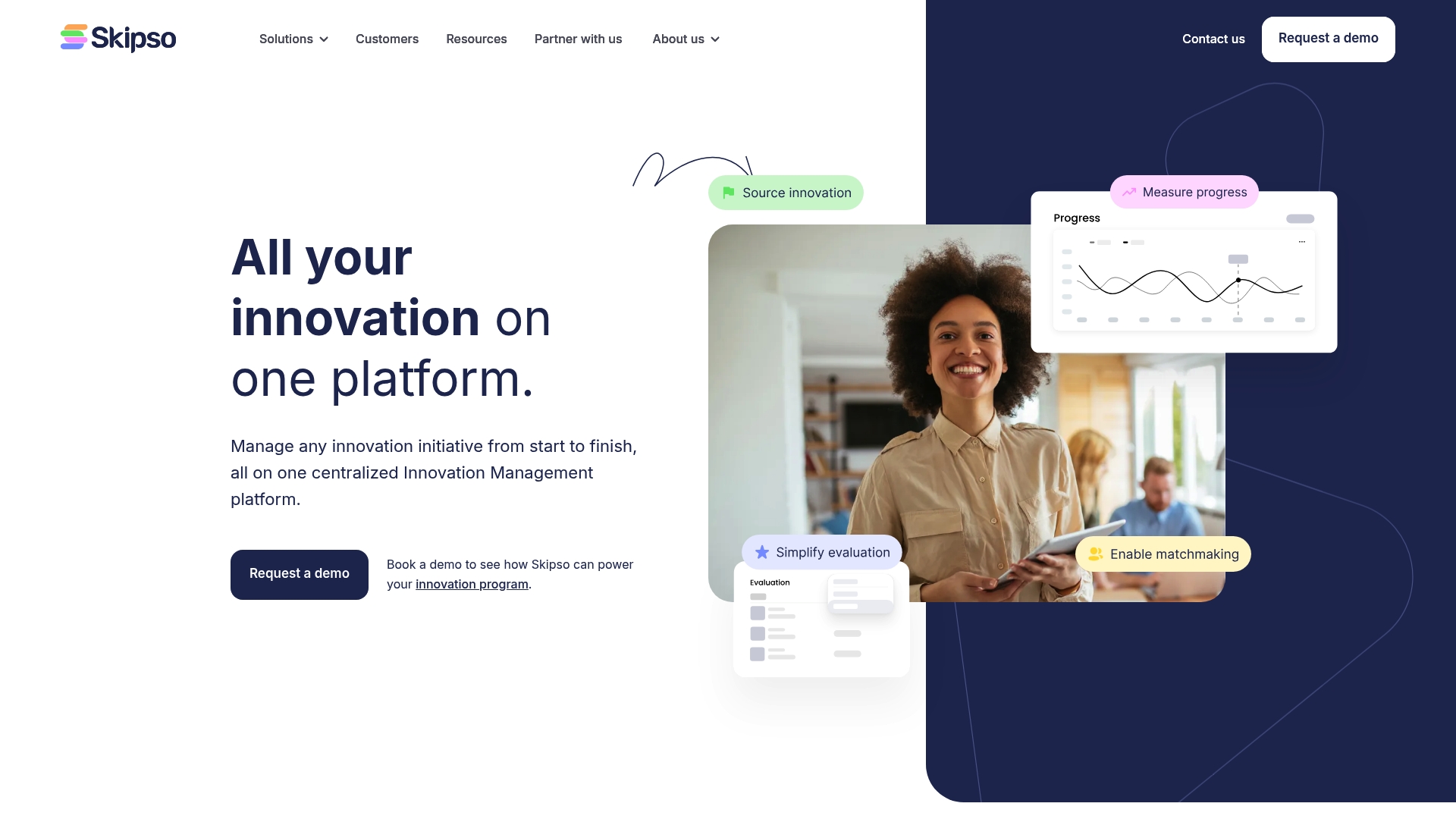
Ready to transform your innovation management approach into a strategic advantage? Explore how Skipso’s powerful features can help you design, monitor, and optimize your innovation pipeline effectively. Visit Skipso’s platform now to get started and lead your organization toward lasting innovation impact.
Frequently Asked Questions
How can I assess my organization’s innovation pipeline effectively?
To assess your organization’s innovation pipeline effectively, conduct a structured diagnostic process that includes interviews with leadership and surveys of employees. Focus on understanding current barriers and capabilities to identify specific areas for improvement within 30 days.
What steps should I take to design a robust innovation workflow?
Start by establishing clear stage gates for idea progression and defining specific evaluation criteria for each stage. This structured approach will help transform creative ideas into actionable projects within a defined timeline.
How do I monitor the performance of my innovation pipeline?
Monitor the performance of your innovation pipeline by establishing quantitative and qualitative metrics, such as the number of ideas implemented and employee feedback. Implement a reporting dashboard to visualize progress and make adjustments on a quarterly basis.
What are effective methods for engaging stakeholders in the innovation process?
To engage stakeholders effectively, create transparent communication channels and inclusive decision-making processes. Host cross-functional innovation workshops to gather diverse insights and ensure continuous participation.
How can I validate the outcomes of my innovation initiatives?
Validate the outcomes by conducting comprehensive impact assessments and developing multi-dimensional performance metrics. Collect feedback from stakeholders and document lessons learned to continuously refine your innovation strategies.
What is the role of technology in managing innovation pipelines?
Technology plays a crucial role in managing innovation pipelines by integrating people, processes, and resources into a seamless ecosystem. Select platforms that facilitate collaboration and real-time tracking to enhance the efficiency of your innovation efforts.
Recommended


Not sure where to start?
Tell us what you are trying to run. We will help map it to the right
program, ecosystem, AI, or GRAITR setup.


