




Choosing the best startups for accelerator funding can get complicated when grant review processes lack clarity. For Innovation Managers at global technology firms, building a truly effective system means creating transparent criteria and fair workflows that eliminate bias. Organizational efficiency and outcome quality both depend on clear grant application scoring and collaborative review practices. This guide delivers practical steps for designing robust frameworks using government standards and proven digital tools.
Table of Contents
- Step 1: Define Grant Criteria And Scoring Framework
- Step 2: Set Up Collaborative Review Workflows
- Step 3: Collect And Organize All Grant Applications
- Step 4: Assign Reviewers And Calibrate Evaluation Standards
- Step 5: Audit Results And Finalize Funding Decisions
Quick Summary
| Key Insight | Explanation |
|---|---|
| 1. Establish Clear Grant Evaluation Criteria | Define specific, measurable criteria to guide both applicants and reviewers, enhancing transparency in the grant application process. |
| 2. Implement a Collaborative Review Process | Utilize digital tools for real-time collaboration among reviewers to improve assessment accuracy and reduce bias. |
| 3. Streamline Application Submission | Centralize application collection with digital portals to ensure consistency, making it easier to track and evaluate proposals. |
| 4. Match Reviewers to Applications Based on Expertise | Assign reviewers based on their subject matter knowledge to ensure informed and objective evaluations of grant proposals. |
| 5. Conduct Thorough Review Audits Prior to Decision-Making | Validate evaluator scores and alignment with funding objectives systematically to ensure strategic allocation of resources. |
Step 1: Define grant criteria and scoring framework
Successful grant applications begin with crystal clear evaluation criteria. You need a robust framework that eliminates ambiguity and provides transparent guidelines for applicants and reviewers alike.
Starting with government functional standards, develop a comprehensive scoring rubric that breaks down evaluation into specific, measurable components. Your framework should distinguish between core eligibility requirements and substantive assessment criteria. Begin by mapping out key dimensions like project feasibility, innovation potential, team capability, and alignment with funding objectives. Each dimension needs explicit subcategories with precise point allocations.
Create a multi tier scoring system where points are assigned across different weighted categories. For instance, technical merit might represent 40% of total points, while organizational capacity could account for 30%, and project impact represents the remaining 30%. Use plain language criteria that applicants can easily understand, avoiding overly technical or ambiguous terminology. Establish clear thresholds for what constitutes a passing score and document your methodology transparently.
Here’s a summary of grant application scoring dimensions and their business impacts:
| Dimension | What It Evaluates | Typical Weight (%) | Business Impact |
|---|---|---|---|
| Technical Merit | Project feasibility | 40 | Ensures innovation is achievable |
| Organizational Capacity | Team expertise and resources | 30 | Increases chance of project success |
| Project Impact | Alignment with goals | 30 | Maximizes value of investment |

Pro tip: Regularly solicit feedback from past applicants and reviewers to continually refine and improve your grant evaluation framework.
Step 2: Set up collaborative review workflows
Creating an effective collaborative review workflow transforms how your organization evaluates grant proposals. Your goal is to design a seamless system that enables multiple reviewers to work together efficiently and systematically.
Start by implementing structured review protocols that define clear roles and responsibilities for each team member. Leverage digital collaboration platforms that allow simultaneous document access, inline commenting, and score tracking. Establish a standardized evaluation template where each reviewer can independently assess applications and then converge for collective discussion. This approach ensures comprehensive scrutiny while maintaining individual reviewer perspectives.

Utilize peer review panel strategies that incorporate multiple rounds of evaluation. Configure your workflow to include initial independent reviews, followed by calibration meetings where reviewers discuss discrepancies and align their assessments. Build in conflict of interest checks and ensure transparent scoring mechanisms that allow trackable, accountable decision making. Implement digital tools that enable secure information sharing and provide audit trails for each stage of the review process.
Pro tip: Rotate review panel members periodically to introduce fresh perspectives and prevent potential biases in your grant evaluation process.
The following table compares traditional and collaborative grant review workflows:
| Attribute | Traditional Workflow | Collaborative Workflow |
|---|---|---|
| Reviewer Interaction | Independent, minimal | Real-time discussion and voting |
| Bias Reduction Methods | Limited | Regular calibration sessions |
| Decision Documentation | Manual, fragmented | Centralized, audit-ready |
| Adaptability to Change | Low flexibility | Easily updated and expanded |
Step 3: Collect and organize all grant applications
Streamlining your grant application collection process is critical for efficient review and selection. You want a system that captures comprehensive information while making each submission easy to track and evaluate.
Implement centralized digital submission portals that standardize how applicants submit their proposals. Create a uniform digital collection system with automated formatting checks and completeness verification. Configure your platform to automatically tag and categorize submissions based on key attributes like funding category, applicant type, and submission timestamp. This approach ensures that each application receives consistent initial processing and can be quickly routed to appropriate reviewers.
Utilize metadata tagging strategies to create a robust organizational framework. Design your collection system to generate comprehensive digital profiles for each submission including searchable keywords, funding alignment indicators, and preliminary compliance flags. Develop a standardized naming convention and folder structure that allows instant retrieval and cross referencing of applications. Implement access controls that protect sensitive applicant information while enabling seamless collaboration among review team members.
Pro tip: Create a master tracking spreadsheet with color coded status indicators to provide real time visibility into your entire grant application pipeline.
Step 4: Assign reviewers and calibrate evaluation standards
Successfully matching the right reviewers to grant applications requires a strategic approach that balances expertise, objectivity, and fairness. Your goal is to create a robust review process that minimizes bias and maximizes comprehensive evaluation.
Begin by implementing expert reviewer assignment protocols that carefully match reviewers to applications based on subject matter expertise. Develop a comprehensive database of potential reviewers with detailed professional profiles that capture their specific research domains, technical skills, and areas of specialization. Create a matching algorithm that considers not just academic credentials but also the nuanced technical requirements of each grant proposal. Establish strict conflict of interest screening procedures to ensure each reviewer can provide an unbiased assessment.
Utilize standardized scoring guidelines that create a consistent evaluation framework across different review panels. Design calibration workshops that help reviewers align their understanding of scoring criteria, ensuring that a score of 7 means the same thing to every reviewer regardless of their background. Implement periodic norming sessions where reviewers discuss and compare their assessment approaches, helping to minimize individual variability and create a more uniform evaluation process. These strategies help transform a potentially subjective review process into a rigorous, transparent method of selecting the most promising grant applications.
Pro tip: Create a reviewer scorecard template with clear descriptive anchors for each numerical score to help standardize evaluation across different reviewers and panels.
Step 5: Audit results and finalize funding decisions
The final stage of your grant review process requires meticulous validation and strategic decision making. Your objective is to transform carefully collected data and reviewer assessments into definitive funding recommendations.
Implement comprehensive review audit protocols that systematically validate each step of the evaluation process. Conduct a thorough cross examination of reviewer scores, looking for potential anomalies or inconsistencies that might indicate unconscious bias or procedural gaps. Develop a multi tier verification system where applications are reviewed at different organizational levels, ensuring that no single perspective dominates the final decision. This layered approach helps create a more robust and defensible selection process.
Utilize strategic alignment verification methods that confirm each recommended grant meets broader organizational funding priorities. Create a final assessment matrix that maps recommended projects against strategic goals, budget constraints, and potential impact. Implement a transparent decision documentation process where each funding recommendation includes clear rationale, reviewer comments, and alignment indicators. This approach transforms the final selection from a subjective exercise into a structured, accountable mechanism for resource allocation.
Pro tip: Develop a standardized decision documentation template that captures key evaluation dimensions and provides a clear audit trail for every funding decision.
Transform Your Grant Review Process with Skipso
Navigating the complexities of grant application scoring and reviewer calibration can be overwhelming. The article highlights challenges like establishing clear evaluation criteria, setting up collaborative workflows, and ensuring unbiased, transparent funding decisions. These pain points can drain time and resources while risking suboptimal funding choices. Skipso understands these hurdles and offers a comprehensive innovation management platform designed to streamline your entire grant management lifecycle.
Our solution supports structured review protocols, centralizes application collection, and facilitates expert reviewer assignments with conflict of interest safeguards. With Skipso you gain the power to audit review results efficiently and ensure your funding decisions align perfectly with your strategic goals. By implementing Skipso’s digital infrastructure you reduce bias, improve collaboration, and accelerate decision-making for better funding outcomes.
Ready to take control over your grant application review process before the next funding cycle starts
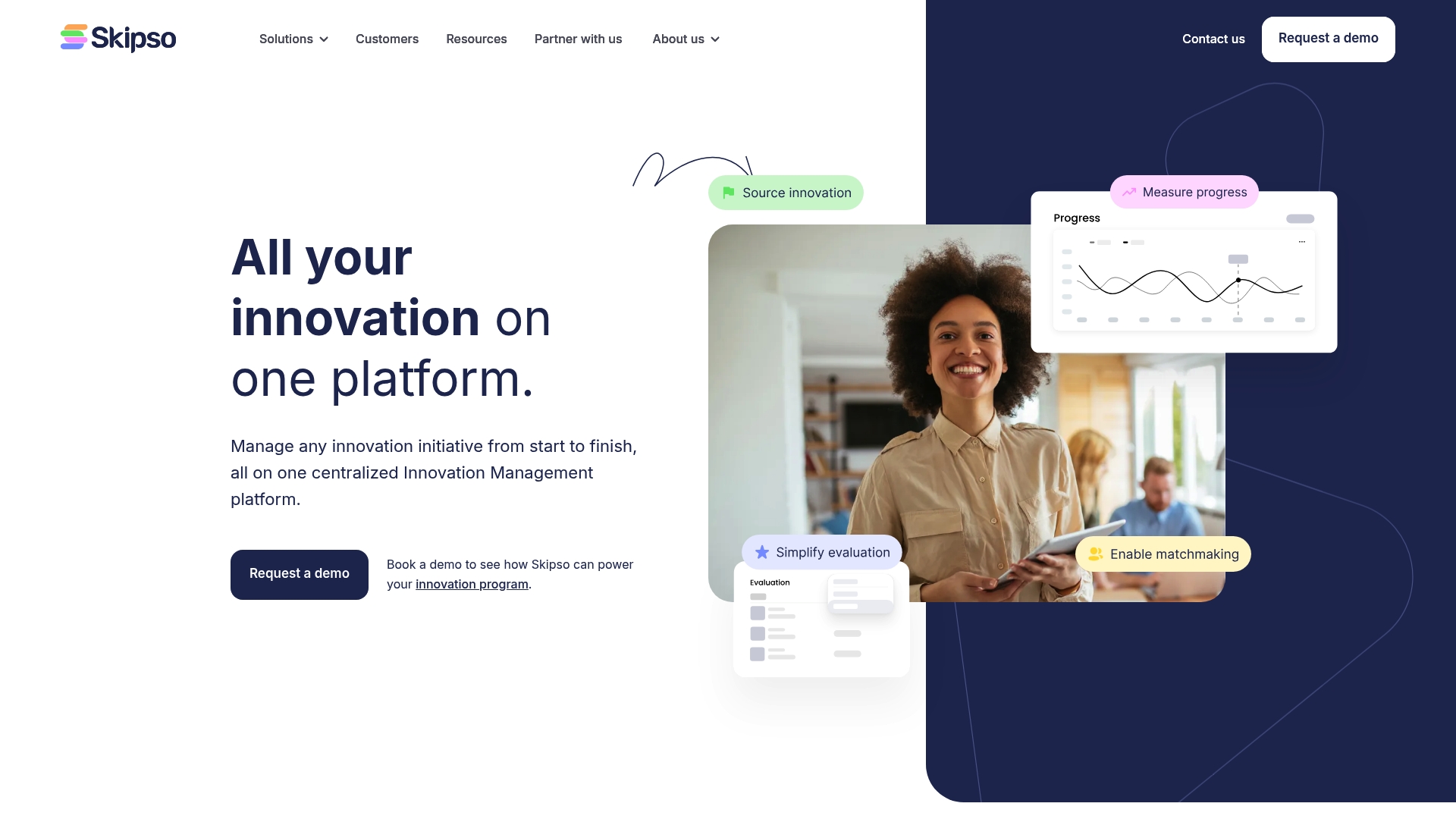
Explore how Skipso’s platform can empower your organization to master every stage of grant evaluation with clarity and confidence. Visit https://skipso.com now and discover the future of grant management.
Frequently Asked Questions
What are the key dimensions to include in a grant application scoring framework?
Each grant application scoring framework should evaluate dimensions such as Technical Merit, Organizational Capacity, and Project Impact. Clearly define subcategories within these dimensions and assign points to ensure a consistent assessment.
How do I set up a collaborative review workflow for grant applications?
To establish a collaborative review workflow, implement structured review protocols that define roles and responsibilities for each team member. Utilize digital collaboration tools to enable simultaneous document access and track reviewer comments, enhancing communication and efficiency among the reviewers.
What is the best way to collect and organize all grant applications?
The most effective method to collect and organize grant applications is to use a centralized digital submission portal. Standardize the submission format and implement metadata tagging to categorize and track applications efficiently, ensuring that all submissions can be easily retrieved and evaluated.
How can I ensure impartiality among grant reviewers?
To ensure impartiality, implement conflict of interest screening procedures and create a comprehensive database of potential reviewers. Match reviewers to applications based on subject matter expertise and conduct calibration workshops to align scoring interpretations across all reviewers.
What steps should I take to audit results and finalize funding decisions?
Start by conducting a comprehensive review audit to validate reviewer scores and identify any anomalies. Create a final assessment matrix that aligns recommended projects with organizational goals and document the rationale for funding decisions to establish transparency and accountability.
Recommended


Not sure where to start?
Tell us what you are trying to run. We will help map it to the right
program, ecosystem, AI, or GRAITR setup.


